Bosiers et al. EuroIntervention 2018
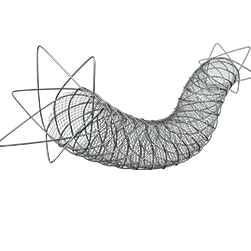
Featured product: Roadsaver™ Carotid Artery Stent
November 20, 2018
-
Prospective, Single-arm, Multi-centre, Multi-national, Investigator-initiated study
-
9 centers (Belgium (N=3), Italy (N=1) & Germany (N=5))
- Enrolment between July 2015 and February 2016
-
100 non-consecutive patients (Mean age: 73 ± 10 range: 48-89; 70 males)
- 31 symptomatic cases (≥50% stenosis via angiography with neurological symptoms (i.e. transient ischemic attack (TIA) and/or (minor) stroke within 30 days before enrolment)
- 69 asymptomatic cases (≥80% stenosis via angiography without neurological symptoms)
-
30-day, 6- and 12-month follow-up visits were predefined for:
- Adverse event recording
- Carotid duplex ultrasound (DUS) assessment
- Independent neurological assessment by a certified physician (as per NIH Stroke Scale)
- Physical examination and Concomitant medication registration
-
The CAS procedure was performed according to the physician’s standard of care.
-
The recommended concomitant medication during the hospital stay and follow-up was as follows:
- Aspirin 75-300 mg daily lifelong
- Clopidogrel 75 mg daily for one month
-
The use of embolic protection devices (EPDs) was not mandatory
- EPD: 58/100
-
Predilatation: 21/100
-
Post-dilatation: 94/100
-
Mean procedural time was 39 ± 12 minutes (range 18-72)
-
Mean fluoroscopy time: 9 ± 5 minutes (range 0.3-38)
-
Successful stent implantation: 100/100
-
The 30-day Major Adverse Event (MAE) rate was 2.1%
- 1 patient experienced MI followed by death
- 1 patient experienced a stroke within the first 14 days post-procedure due to inadequately medicated atrial fibrillation
-
Between days 31-365 post-procedure:
- 3 more patients experienced an ipsilateral stroke (all on DAPT for only a month and at the time of stroke on aspirin)
-
At 12 months
- 95.8 % of all patients were free of ipsilateral stroke
-
At 12 months as per the DUS examination and NASCET guidelines
- 92.5% of patients were free from patency loss (>50% In-Stent Restenosis (ISR))
- 97.9% of patients were free from target lesion revascularization (TLR)